Leather Belt Maintenance for Different Types of Leather: From Full-Grain to Suede.
Leather Belt Maintenance for Different Types of Leather: From Full-Grain to Suede
Why Proper Leather Care Matters
Every leather belt has its own personality. A full-grain workhorse, a polished formal belt, a rugged cowboy belt, or a soft suede women’s belt — each one ages differently and needs its own kind of care. Understanding the leather type is the key to keeping your belt looking sharp, comfortable, and long-lasting.
The Core Idea: Different Leathers Need Different Care
Not all leather is built the same. Full-grain is sturdy and textured, top-grain is smoother and refined, suede is delicate and velvety, and exotic leathers come with their own unique challenges. Treating them all the same is where most people go wrong. Here’s a clear guide on how to maintain each type properly.
Breakdown: How to Care for Every Type of Leather Belt
1. Full-Grain Leather — The Most Durable
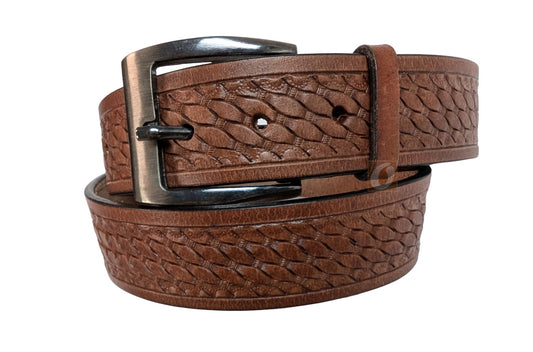
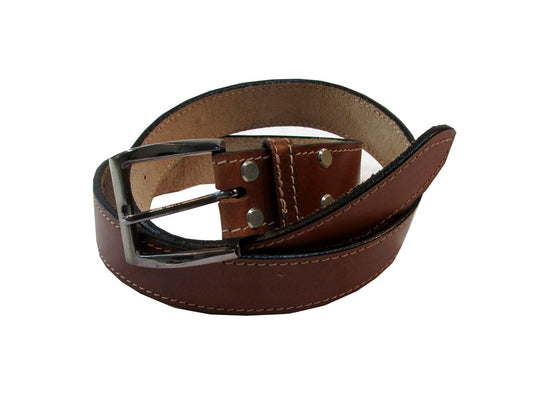
Full-grain leather is the highest-grade leather available. It keeps the natural grain of the hide, which gives it strength, character, and a rich patina as it ages.
Care Tips:
- Wipe gently with a soft cloth after wear to remove dust.
- Use a small amount of leather conditioner every few months.
- If it gets wet, blot — don’t rub — and let it air-dry naturally.
- Store in a cool, breathable space to prevent mildew.
2. Top-Grain Leather — Smooth, Stylish, and Reliable
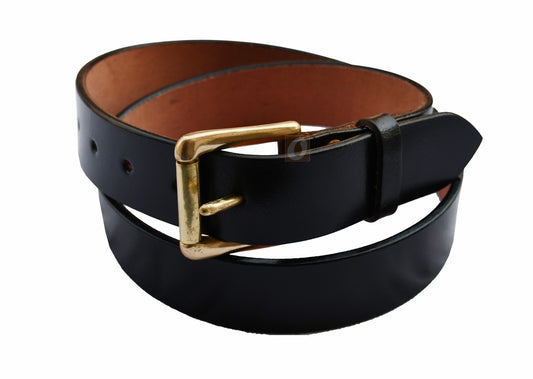
Top-grain leather is lightly sanded for a smoother finish, making it flexible and refined — ideal for everyday work belts or office wear belts.
Care Tips:
- Clean with a damp cloth and mild soap — never soak.
- Condition regularly to prevent stiffness.
- Keep away from sharp objects that may scratch the surface.
- Avoid direct sunlight to prevent fading.
3. Suede Leather — Soft, Velvety, and Delicate
Suede belts offer a warm, textured look. They’re popular for casual outfits or stylish Western looks, but they need gentler care.
Care Tips:
- Use a suede brush to lift dirt and restore texture.
- Keep away from water — suede stains easily when wet.
- Use a suede protectant spray for added protection.
- Store flat or in a dust bag to avoid pressure marks.
4. Nubuck Leather — Soft Like Suede, Strong Like Leather
Nubuck has a velvety finish but is made from the tougher outer side of the hide, often used in cowboy and Western belts.
Care Tips:
- Brush gently to maintain the nap.
- Protect with a nubuck spray to repel stains.
- Avoid moisture — water can darken or harden the leather.
5. Patent Leather — Glossy and Dressy
Patent leather belts are commonly worn with formal outfits thanks to their shiny, polished surface.
Care Tips:
- Wipe with a soft cloth to remove smudges.
- Buff occasionally to restore shine.
- Avoid rough surfaces — patent leather scratches easily.
6. Exotic Leathers — Crocodile, Alligator, and More
Exotic leather belts are premium pieces that require gentle, specialized care to protect their unique textures.
Care Tips:
- Use cleaners made specifically for exotic leather.
- Condition sparingly to avoid softening the scales.
- Store flat to maintain their natural pattern and structure.
Collection Links
Leather Belts | Leather Holsters | Leather Knife Sheaths
Helpful Leather Belt Guides
- Leather Belt Sizing – How to Find Your Perfect Fit
- How to Spot a High-Quality Leather Belt
- How to Maintain a Leather Belt
- Leather Belts as Gifts
Recommended Belts
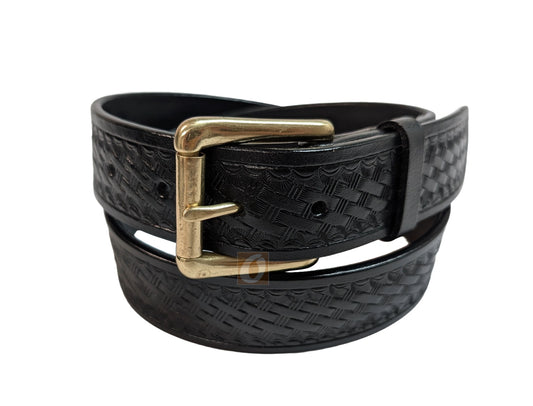
- Black Basket-Tooled Uniform Belt – tough, detailed, and long-lasting.
- Plain Black Office Belt – polished and professional for everyday wear.
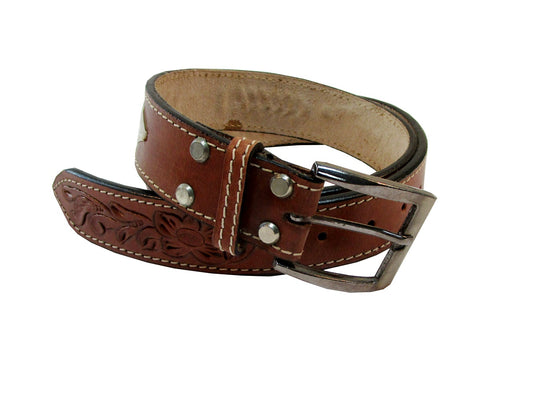
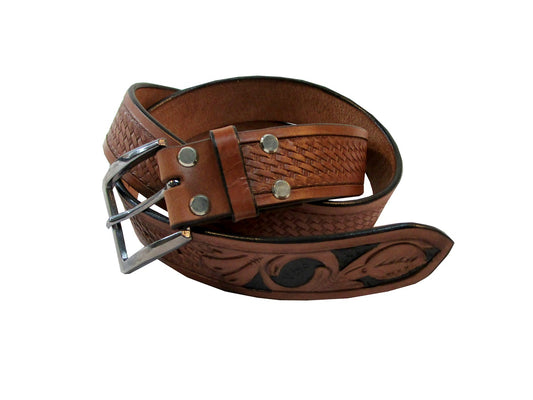
- Floral Painted Western Belt – eye-catching craftsmanship for Western style lovers.
Final Thoughts
Every belt deserves care that matches its leather type. Whether you’re wearing a full-grain cowboy belt, a smooth top-grain formal belt, or a soft suede women’s belt, the right maintenance will keep it looking sharp for years. A little attention protects your investment — and keeps your belts feeling as good as they look.
FAQ
How often should I condition a leather belt?
Every 3–6 months depending on use and climate.
Can suede belts get wet?
It’s best to avoid water — suede stains easily. Blot and air-dry if it happens.
Which leather lasts the longest?
Full-grain leather is the most durable and ages better than any other type.