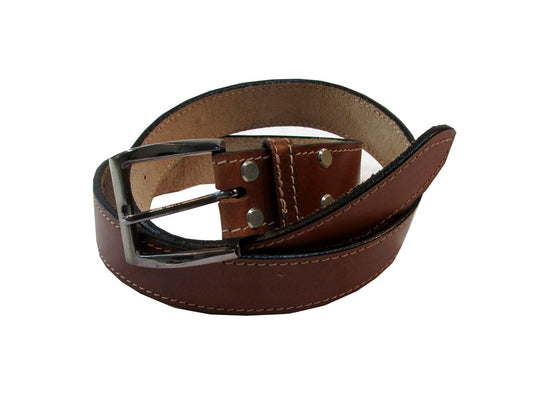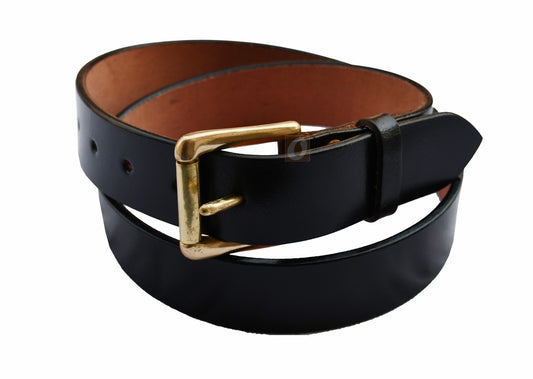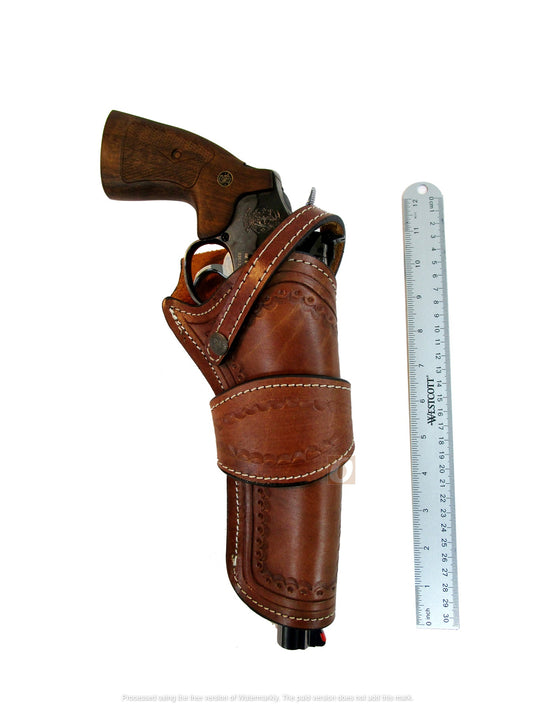
The History of Leather Belts: From Functionality to Fashion Statement
The History of Leather Belts: From Practical Gear to Modern Fashion
How Leather Belts Became a Part of Everyday Style
Long before leather belts became a style choice, they were simple tools—useful, durable, and meant to carry weight or keep clothing in place. Over thousands of years, that basic strip of leather transformed into a defining accessory worn across cultures, professions, and fashion eras. Today, whether you dress sharp for work or keep things casual, a leather belt quietly completes the look.
The Core Idea: A Simple Strap That Shaped Fashion
The story of the leather belt mirrors the story of clothing itself. As societies evolved, belts shifted from pure necessity to decoration, then to symbols of identity, and eventually to fashion statements. What started as a utility item became a universal wardrobe essential.
The Journey of Leather Belts Through History
Ancient Civilizations
Early belts were strictly functional. In ancient Rome, soldiers and workers relied on sturdy leather straps to hold tools, weapons, and garments. At the same time, belt designs subtly communicated rank—simple versions for common workers and decorated versions for higher status individuals.
The Middle Ages
Belts gained artistic value. Craftsmen carved, tooled, and ornamented leather with metalwork, gemstones, and shaped buckles. Nobles wore intricate designs as a visible sign of wealth, while everyday people stuck to undecorated practical belts. This era marked the earliest transition toward belts as fashion pieces.
The Renaissance and Early Modern Period
As personal expression flourished, leather belts became part of styling and tailoring. Men adopted belts to shape early forms of suits, and women used narrow belts to highlight waistlines. Improved tanning techniques made leather smoother, stronger, and easier to craft in more detailed ways.
The Industrial Revolution
Mass production changed everything. Suddenly, belts became accessible to everyone—not just the wealthy. Standardized sizing, modern buckles, and consistent leather finishing helped belts become a core clothing accessory for workers, soldiers, and everyday citizens.
The Rise of the Western Belt
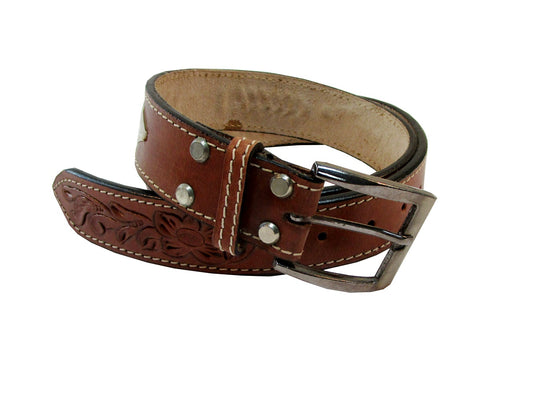
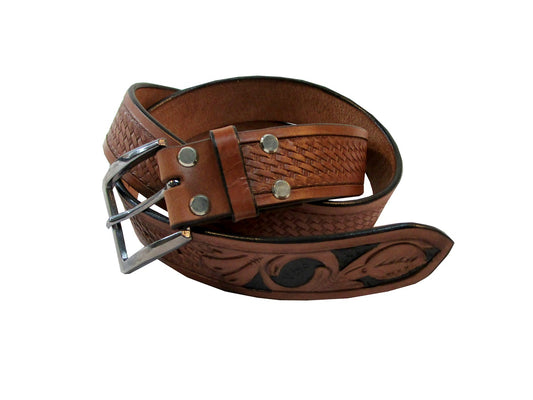
The 20th century added a bold chapter: Western culture. Ranchers and cowboys began wearing heavy, tooled belts that could withstand rugged use. These belts later became symbols of Americana—decorated, wider, and paired with iconic buckles. Today, Western belts remain popular far beyond ranch life, turning heritage and craftsmanship into a recognizable fashion style.
Modern Trends
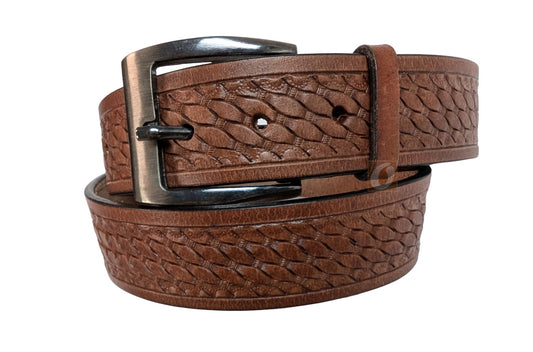
Leather belts now come in endless variations—formal, casual, Western, minimalist, textured, painted, and more. They tie together jeans, dresses, business trousers, and even outerwear. No matter your style, a leather belt adds structure and personality without trying too hard.
Collection Links
Explore related collections to find belts and matching accessories:
Leather Belts | Leather Holsters | Leather Knife Sheaths
Helpful Leather Belt Guides
Want to learn more before choosing your next belt? These guides help with sizing, quality checks, care, and gift ideas:
- Leather Belt Sizing – How to Find Your Perfect Fit
- How to Spot a High-Quality Leather Belt
- Caring for Your Leather Belt – Tips for Longevity and Maintenance
- Leather Belts as Gifts – Why They Make a Memorable Present
Recommended Belts
Explore a few standout belts inspired by different eras of leather craft:
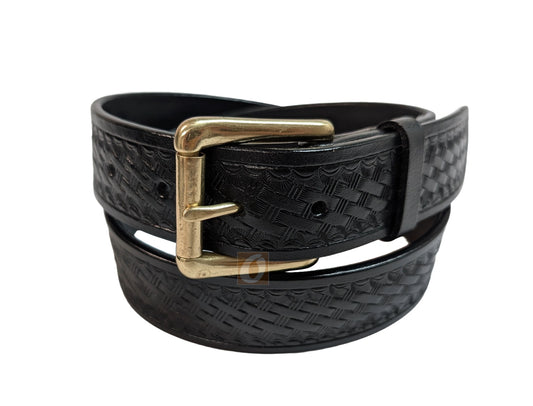
- Black Basket-Tooled Uniform Belt – strong and structured, great for work and Western style.
- Plain Black Formal Belt – a clean, simple choice for business and dress wear.
- Floral Painted Western Belt – detailed craftsmanship inspired by classic cowboy culture.
Final Thoughts
The evolution of leather belts shows how a practical tool became a timeless fashion piece. From ancient civilizations to modern wardrobes, belts have always balanced usefulness with personal style. Whether you’re drawn to classic designs or bold Western patterns, a good leather belt connects today’s outfits with centuries of craftsmanship and tradition.
FAQ
Why were belts important in early history?
Belts helped secure clothing and carry tools, making them vital for daily life and work across ancient cultures.
When did belts become fashion items?
Belts shifted toward decorative fashion during the Middle Ages and Renaissance, when designs became more elaborate.
What makes Western belts special?
Their tooling, width, and iconic buckles reflect cowboy heritage and American culture, blending function with distinct style.